
I continue here with an explanation of my approaches to insect rearing teaching and research. In my recent posts, I discussed my early efforts to develop a practical artificial diet for predatory insects, mainly Hemiptera/Heteroptera species. I confessed my many failures, disappointments, and frustrations that resulted from my (and the entomology community, in general’s) ignorance about the true feeding habits of the big-eyed bugs and other insects with piercing and sucking mouthparts. In the past few blogs, I mentioned that my realization that the predators were using extra-oral digestion (EOD) and that EOD had far-reaching implications for understanding feeding biology of many species of insects and other arthropods. In fact, right now (February of 2026), I am writing a paper on the discovery of EOD as a feeding “strategy” of the wood-eating buprestid beetle, the emerald ash borer! I also must point out that a fairly recent paper by Ramsey et al. 2019 (with myself as one of the co-authors) clearly documented that Varroa mites, which were long considered hemolymph feeders were indeed feeding on fat body and other semi-solid tissues and NOT hemolymph. They were using EOD to liquify the honeybee’s tissues. Case by case, when we learn in depth the feeding dynamics of many (most?) species of insects, we find that they are doing some sort of pre-oral/extra-oral processing of the food.
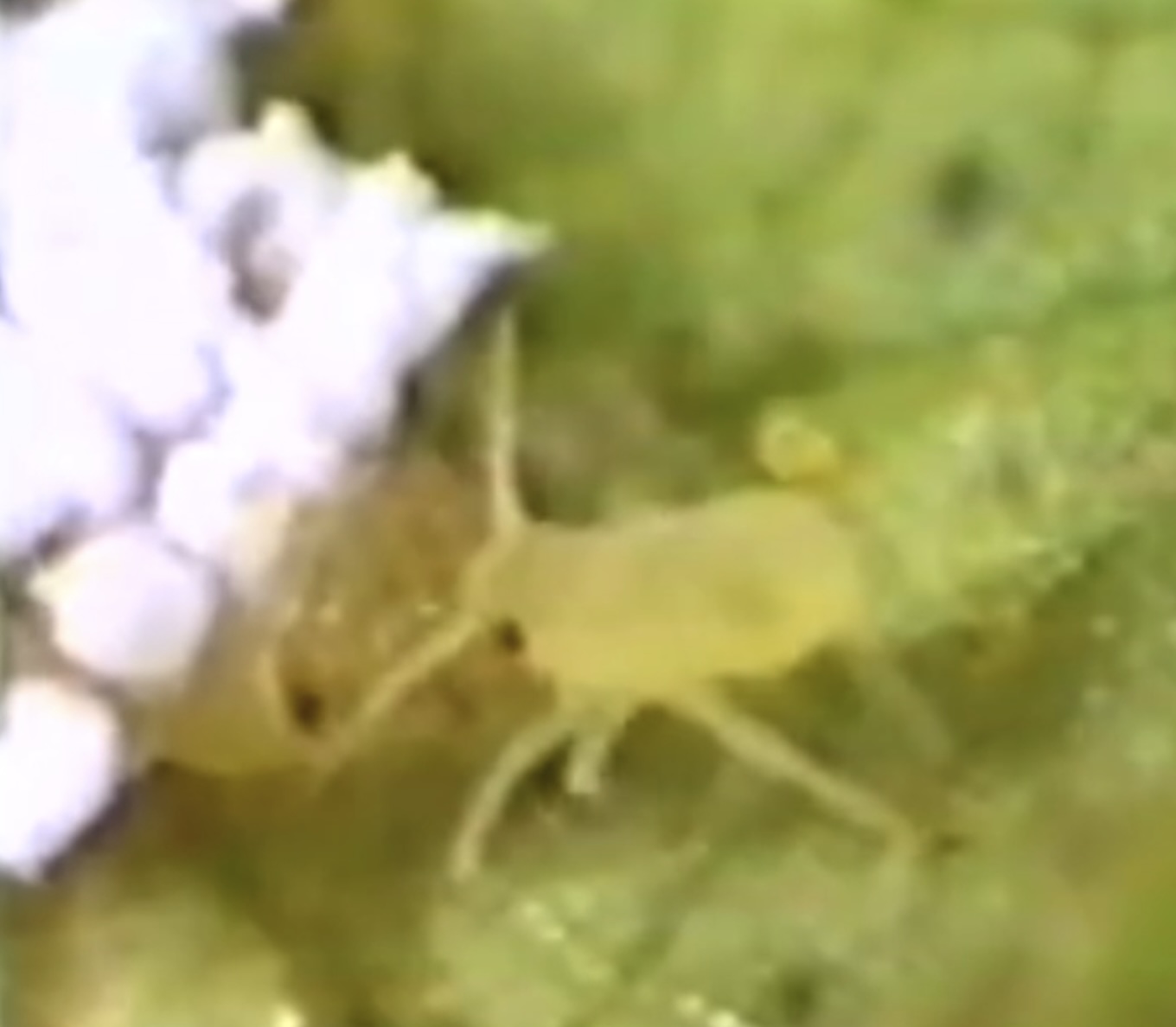
What results did we get from recognition and understanding of the true feeding strategy led to development of artificial diets for big-eyed bugs and other species, including green lacewing larvae (Chrysopidae). Despite this clear example of the benefits of “knowing our insects,” too often researchers (like me in my novice insect rearing researcher days) try to accomplish difficult goals without adequate knowledge of their subjects. In my writings and teachings, I try to illustrate the benefits of in depth, mechanistic knowledge of the insects and other rearing system components (diets, environment, microbial relations, containers, hidden interference in our rearing conditions) for success in developing rearing systems and in maintaining working systems. This takes us back to my main point here: exploring how and why, rather than what is the best path to rearing success!
More about HOW and WHY vs. WHAT or Rationale-Based Inquiry
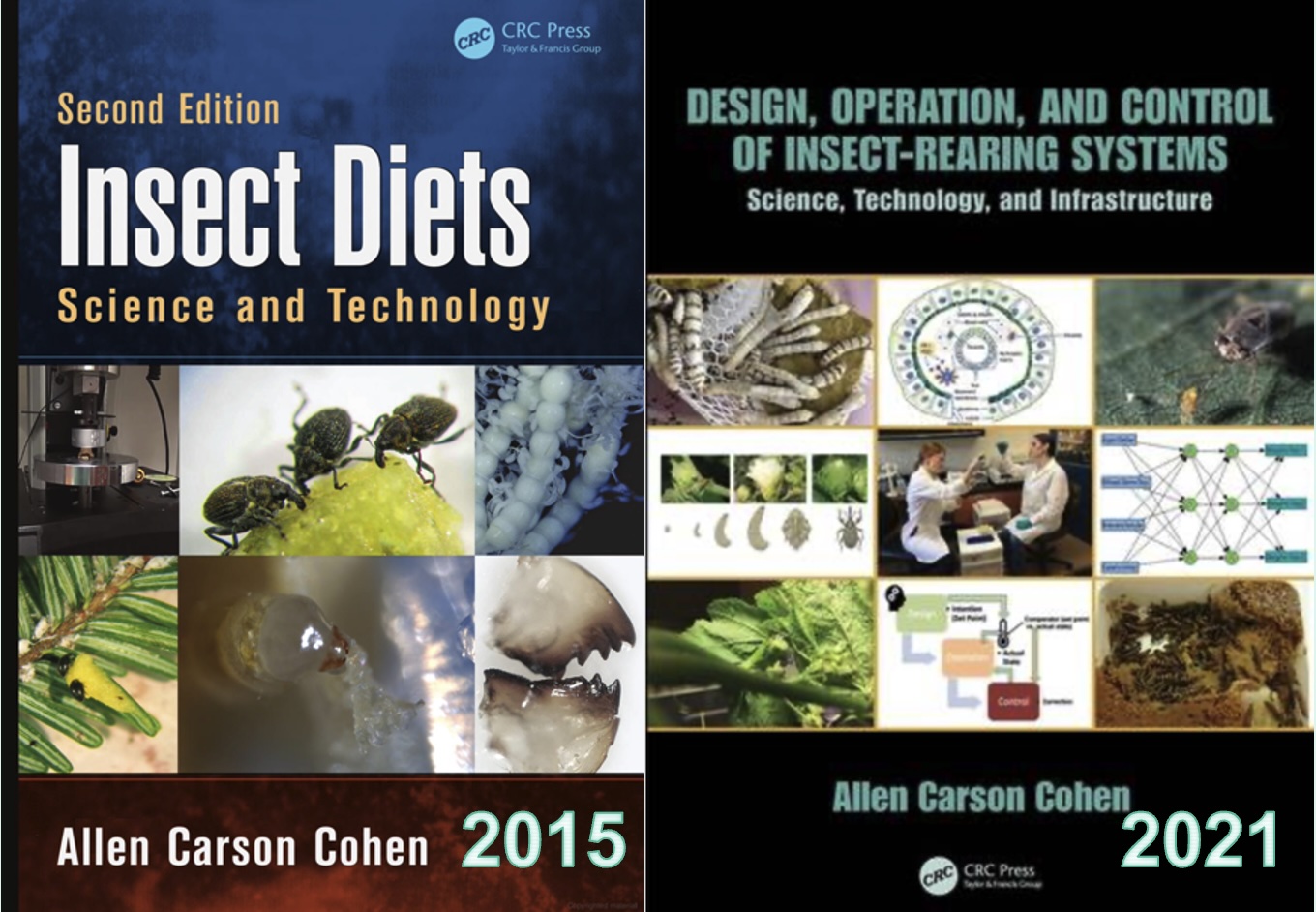
When I write or speak about the efficacy of understanding HOW and WHY, I am getting at the idea that rationale is an all-important part of experimentation. When I would do science demonstrations with my wife’s 5th graders, they always wanted to see what would happen if…. This is a great thing to be curious, but advancing past simple curiosity, we do better (less randomly) if we have a knowledge-based reason for what we experiment with. To test my commitment to this concept, I used a word search in my Insect Diets book and found more than 70 uses of the term rationale, and in the Design, Operation… book, I found more than 100 times that I used rationale to explain how or why a material was used or a process was applied. For example, in both books, I tried to probe deeply into wheat germ to ask why it was so widely useful as a diet component (now for hundreds of species of insects and the production of trillions of insects). But many decades ago, the great Dr. Erma Vanderzant had the same type of curiosity about the wonders of wheat germ.
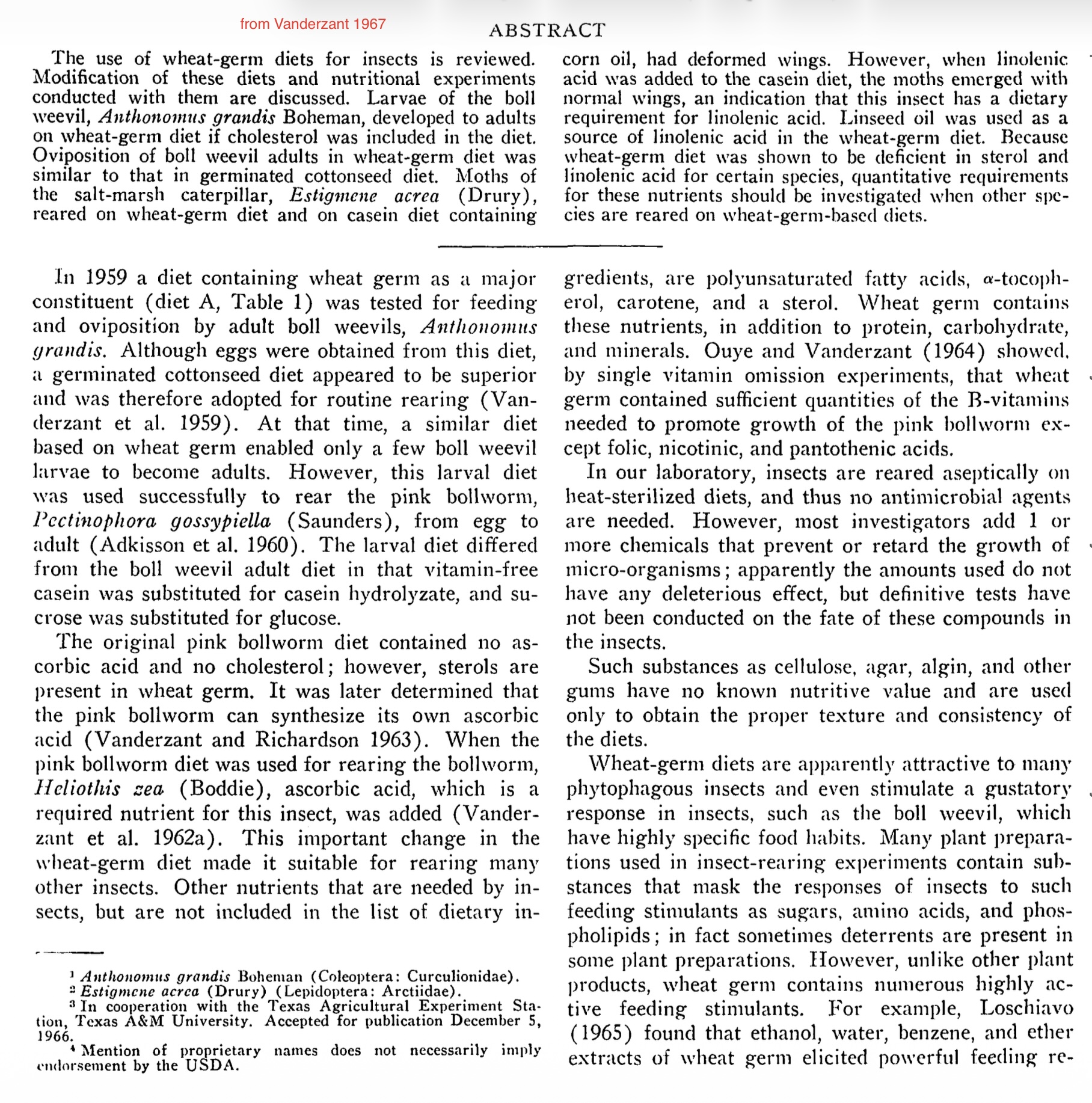
The excerpt below (Figure 5) shows the first page of a 1967 paper where wheat germ’s qualities are explored by Vanderzant: she explained many of the qualities of wheat germ. Clearly Vanderzant went back to her first use of wheat germ in 1959 considering why the wheat germ did not work well with boll weevils, but why it DID work well with pink boll worms and subsequently with various other insects. She discusses the proteins, lipids, carbohydrates, minerals, and B-vitamins and the other components that “worked” or did not “work” for various insects.
By the way, I had wondered what originally motivated Vanderzant to use wheat germ in her boll weevil and the 1960 (Adkisson et al.) diet for pink bollworms. I had even contacted (some time after her death) a member of her family to ask if he knew what her reasoning was when she first tried wheat germ, and he did not know.
This concludes today’s discussion of the benefits of rationale-based inquiry into the WHY’s and HOW’s of insect diets and other rearing systems components. I will continue this discussion as a basis for my zeal to influence rearing researchers to consider as many facets of their experimental factors as possible. Please watch for more posts to follow soon!